
Introduction
Founded in 1899, FC Barcelona has grown from a local football club into one of the most successful and influential sporting institutions in the world. Known by the motto “Més que un Club” (More Than a Club), Barcelona represents much more than football. The club is a symbol of Catalan identity, a home for legendary players, and a pioneer of attacking football.
Over more than 125 years, Barcelona has won numerous domestic and international trophies, developed world-class talents through La Masia, and inspired generations with its commitment to attractive football. From Johan Cruyff’s revolutionary ideas to Pep Guardiola’s historic dominance and Lionel Messi’s record-breaking career, every era has added another chapter to Barça’s remarkable legacy.
This guide explores the club’s history, legendary captains, iconic managers, major achievements, and the philosophy that continues to define FC Barcelona.
The Origins of FC Barcelona
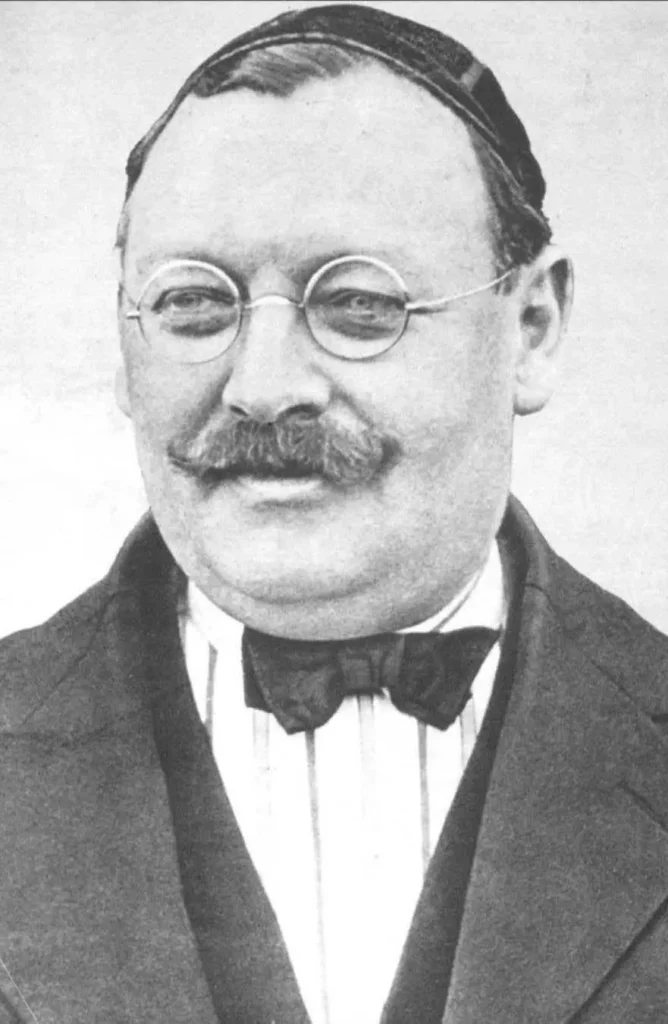
FC Barcelona was founded on 29 November 1899 by Swiss football enthusiast Joan Gamper and a group of football lovers in Barcelona.
From the beginning, the club adopted its famous blue and garnet colours and quickly became one of Spain’s leading football institutions. Beyond football, Barcelona became closely connected to Catalan culture, earning worldwide recognition as “More Than a Club.”
Barcelona’s Philosophy: More Than a Club
Few football clubs possess an identity as distinctive as Barcelona’s.
The phrase “Més que un Club” reflects the team’s commitment to community, culture, youth development, and attacking football.
Barcelona’s philosophy is built around:
- Possession-based football
- Technical excellence
- Youth development
- Respect and sportsmanship
- Trust in La Masia graduates
These principles have shaped generations of successful teams.
La Masia: The Heart of Barcelona
Barcelona’s academy, La Masia, is regarded as one of the finest football academies in history.
It has produced legendary players including:
- Lionel Messi
- Xavi Hernández
- Andrés Iniesta
- Sergio Busquets
- Carles Puyol
- Gerard Piqué
- Gavi
- Lamine Yamal
La Masia remains central to Barcelona’s long-term success and continues to develop future stars for the first team.
Legendary Barcelona Captains
Leadership has always played a vital role in Barcelona’s history.
Some of the club’s greatest captains include:
| Captain | Legacy |
|---|---|
| Joan Segarra | One of Barcelona’s greatest early captains |
| Carles Puyol | Inspirational leader and defensive icon |
| Pep Guardiola | Midfield leader and future legendary coach |
| Andrés Iniesta | Captain during a successful modern era |
| Lionel Messi | Most decorated captain in club history |
| Marc-André ter Stegen | Modern-day leader of the first team |
Each captain represented Barcelona’s values both on and off the pitch.
Legendary Players Who Defined Barcelona
Barcelona has been home to some of football’s greatest players.
Among the most influential are:
- Lionel Messi
- Johan Cruyff
- Ronaldinho
- Xavi Hernández
- Andrés Iniesta
- Carles Puyol
- Sergio Busquets
- Luis Suárez
- Neymar Jr.
- Dani Alves
These players helped shape Barcelona into a global football powerhouse.
The Greatest Managers in Barcelona History
Several visionary coaches transformed Barcelona into one of football’s most successful clubs.
Johan Cruyff
Cruyff introduced the principles of positional football and laid the foundations for Barcelona’s modern identity.
Frank Rijkaard
Rijkaard restored Barcelona to the top of European football and helped launch Lionel Messi’s senior career.
Pep Guardiola
Pep Guardiola’s Barcelona is widely regarded as one of the greatest football teams ever assembled.
Achievements include:
- Sextuple (2009)
- Multiple La Liga titles
- UEFA Champions League triumphs
- Revolutionary possession football
Luis Enrique
Luis Enrique guided Barcelona to a historic continental treble in the 2014/15 season, powered by the legendary MSN attacking trio.
Barcelona’s Greatest Achievements
Barcelona has enjoyed remarkable success throughout its history.
Highlights include:
- Two continental trebles
- Historic Sextuple (2009)
- Multiple La Liga championships
- Copa del Rey success
- UEFA Champions League titles
- FIFA Club World Cup victories
These accomplishments have established Barcelona among football’s elite clubs.
Historic Team Records
Barcelona has set numerous impressive records over the decades.
Some of the most notable include:
- Long unbeaten runs in La Liga
- Record Ballon d’Or winners while representing the club
- Cinco Copas success during the 1951/52 season
- One of Europe’s most successful trophy collections
These records reflect the club’s sustained excellence across generations.
The Influence of Barcelona Beyond Football
Barcelona’s impact extends far beyond results on the pitch.
The club has inspired millions through:
- Youth development
- Tactical innovation
- Global fan culture
- Community initiatives
- Worldwide football academies
Its influence has shaped how modern football is played and understood.
Frequently Asked Questions
When was FC Barcelona founded?
FC Barcelona was founded on 29 November 1899 by Joan Gamper and a group of football enthusiasts.
What does “Més que un Club” mean?
It means “More Than a Club”, reflecting Barcelona’s deep connection with Catalan culture, community, and sporting values.
What is La Masia?
La Masia is Barcelona’s world-famous youth academy, responsible for developing many of the club’s greatest players.
Who is Barcelona’s greatest player?
Many supporters consider Lionel Messi the greatest player in Barcelona’s history because of his records, achievements, and influence.
Which Barcelona manager won the Sextuple?
Pep Guardiola led Barcelona to the historic Sextuple in 2009, winning six major trophies in one calendar year.
Conclusion
FC Barcelona’s history is a story of innovation, success, and identity. From its foundation in 1899 to becoming one of the world’s most celebrated football clubs, Barça has consistently set new standards through legendary players, visionary managers, iconic captains, and a philosophy built on excellence.
As new generations emerge from La Masia and the club continues to compete at the highest level, Barcelona’s legacy keeps growing—proving why it truly remains “Més que un Club.”