
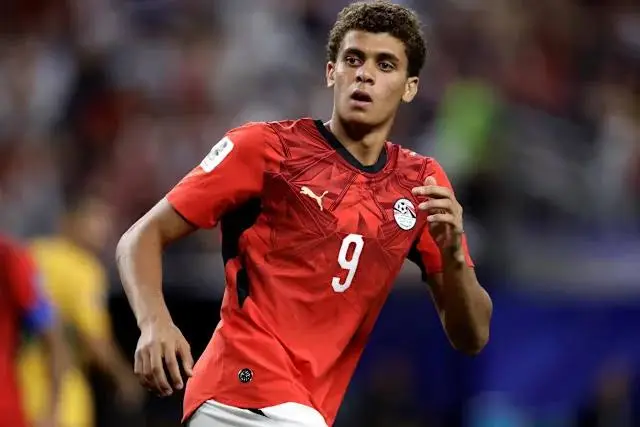
Hamza Abdelkarim: Barcelona’s New Egyptian Wonderkid Explained
Every generation of FC Barcelona produces a young player who makes supporters stop and ask one question:
“Could this be the next big star?”
In 2026, one of the most exciting names emerging from Barcelona’s youth system is Hamza Abdelkarim.
The Egyptian forward arrived in Barcelona from Al Ahly as an 18-year-old prospect with a reputation for intelligent movement, physical strength and a natural instinct for scoring goals. What makes his story even more significant is that he became the first Egyptian to play for a Barça side, creating a historic connection between Egyptian football and one of the biggest clubs in world football.
But Abdelkarim is not attracting attention simply because of his nationality.
His rapid rise has been powered by his performances.
After joining Barcelona, he made an immediate impact in the club’s youth setup, scoring six goals in 11 matches before the club decided to exercise its purchase option and secure him permanently until 2029.
That combination of youth, goals, international experience and long-term Barcelona commitment has made Hamza Abdelkarim one of the most intriguing young attacking talents to watch.
Who Is Hamza Abdelkarim?
Hamza Abdelkarim is an Egyptian footballer born on 1 January 2008. He developed through the Al Ahly youth system before making his breakthrough onto the international and European football scene.
He is primarily a forward, but his game is not limited to simply waiting inside the penalty area.
Abdelkarim’s profile is built around:
- Intelligent movement inside the box
- Strong aerial ability
- Physical presence
- Mobile link-up play
- Back-to-goal strength
- Natural finishing instincts
- The ability to attack spaces behind defenders
Barcelona’s official description of the forward highlights his mobility, link-up ability and eye for goal.
These qualities explain why he has attracted attention as a modern striker rather than a traditional penalty-box number nine.
Why Hamza Abdelkarim’s Barcelona Transfer Was So Important
Barcelona’s move for Abdelkarim was strategically interesting.
Instead of immediately placing him into the first-team squad, the club initially brought him into its development structure after reaching a loan agreement with Al Ahly. The deal included a purchase option, allowing Barcelona to evaluate his adaptation and performances before committing permanently.
That plan quickly changed in significance.
Abdelkarim’s performances were strong enough for Barcelona to activate the purchase option. The club then confirmed that he would remain in Catalonia on a permanent deal until 30 June 2029.
This tells us something important about Barcelona’s long-term strategy.
The club is not simply looking for established superstars. It is also searching for young players with:
Potential → Development → Adaptation → First-team opportunity
Hamza Abdelkarim fits perfectly into that model.
Hamza Abdelkarim’s Playing Style: Why Some Compare Him to a Modern No. 9
One of the most interesting aspects of Abdelkarim’s profile is his ability to combine the characteristics of a classic striker with the mobility expected from a modern Barcelona forward.
1. A Natural Penalty-Box Finisher
Abdelkarim has a clear instinct for finding dangerous positions.
Rather than constantly dropping deep to receive the ball, he can also attack the space between defenders and position himself close to goal. This makes him particularly dangerous when Barcelona creates chances through combinations around the box.
2. Strong in the Air
His aerial ability is another major part of his profile.
At a club famous for possession-based football, a striker who can also attack crosses and set pieces gives the team another attacking option.
3. Physical Strength
The Egyptian forward brings a strong physical presence to the attack.
This allows him to compete with defenders, protect the ball and play with his back to goal. That quality can be especially valuable when Barcelona faces opponents defending in a deep block.
4. Mobile Link-Up Play
Abdelkarim is not simply a static striker.
His ability to move across the attacking line and connect with teammates makes him more difficult to defend. He can drop into spaces, combine with midfielders and then quickly attack the penalty area.
5. Back-to-Goal Intelligence
A modern Barcelona striker needs to do more than score.
He must also help the team maintain possession, connect attacks and create space for other forwards.
Abdelkarim’s ability to receive the ball with his back to goal could become an important weapon as he continues developing in Barcelona’s system.
The Rise of Hamza Abdelkarim From Al Ahly to Barcelona
Before arriving in Spain, Abdelkarim developed within the Al Ahly system, one of the most respected football academies in Africa.
His progress was rapid.
He became one of the young Egyptian forwards attracting attention through his performances at youth level and earned experience around senior football at a remarkably young age. Barcelona’s official profile also noted his involvement with Al Ahly and his early international development.
His development at Al Ahly gave him an important foundation:
- Technical training
- Competitive experience
- Exposure to high-pressure football
- Youth international experience
- Early exposure to senior football
The move to Barcelona represented the next major stage of his development.
Hamza Abdelkarim’s Egypt Career: From Youth Prospect to World Cup Spotlight
Abdelkarim’s rise was not limited to club football.
He also became an important name in Egypt’s youth setup.
His performances at youth international level helped him gain recognition as one of the country’s most exciting young forwards. He later attracted attention through his involvement with Egypt’s senior national team and the 2026 World Cup squad.
That is an extraordinary progression for a player born in 2008.
Within a short period, Abdelkarim moved from:
Al Ahly youth football → Barcelona → Egyptian international football
His international exposure could accelerate his development even further.
For a young player, competing against experienced international defenders can provide lessons that youth football cannot always replicate.
Why Hansi Flick Could Be Important for Hamza Abdelkarim
The next step in Abdelkarim’s career will depend heavily on his development.
That is where the Barcelona first-team environment becomes important.
Under Hansi Flick, Barcelona has continued to give young players opportunities when they demonstrate the quality and mentality required to compete at the highest level.
For Abdelkarim, the pathway could involve:
- Continued development in Barcelona’s youth structure
- Regular exposure to higher-level training
- Tactical adaptation to Barcelona’s attacking principles
- Opportunities during pre-season
- Gradual integration into the first-team environment
The most important thing is that Abdelkarim does not need to become a superstar overnight.
Barcelona can develop him step by step.
His physical profile, movement and finishing ability could eventually make him an interesting alternative to more traditional attacking options.
What Makes Hamza Abdelkarim Different From Other Young Strikers?
Many young forwards are good at one specific thing.
Some are fast.
Some are strong.
Some are excellent finishers.
Abdelkarim’s potential comes from the combination of several qualities.
He offers:
Physical presence + movement + aerial ability + finishing instinct + link-up play
That combination makes him a particularly interesting development project.
His greatest strength may not be one individual skill.
It may be his ability to influence different phases of an attack.
He can:
- Hold the ball
- Connect with teammates
- Attack crosses
- Make runs behind defenders
- Compete physically
- Finish chances
For Barcelona, that versatility could become extremely valuable.
The Biggest Challenge Facing Hamza Abdelkarim
Talent alone is never enough at Barcelona.
The level of competition is incredibly high.
Abdelkarim must continue improving several areas of his game:
Tactical Adaptation
Barcelona’s football requires intelligent positioning and quick decision-making.
Technical Consistency
Every touch matters when playing in tight spaces.
Physical Development
He must continue developing his strength and athleticism without losing mobility.
Patience
The transition from youth football to senior football can take time.
Competition
Barcelona regularly produces and recruits talented young attackers. Abdelkarim must consistently prove that he belongs at the highest level.
Hamza Abdelkarim’s Future at Barcelona
Barcelona’s decision to secure Abdelkarim permanently until 2029 shows that the club sees long-term value in his development.
The immediate goal should not be to label him as the next Lionel Messi or Mohamed Salah.
That creates unnecessary pressure.
Instead, the more realistic question is:
Can Hamza Abdelkarim develop into a Barcelona-level striker?
The answer will depend on how quickly he adapts to the demands of senior football.
But the early signs are exciting.
He has already:
- Become a historic Egyptian figure at Barcelona
- Made a rapid impact after arriving in Spain
- Scored consistently for the club’s youth side
- Earned international recognition
- Secured a permanent Barcelona contract
That is an impressive foundation for an 18-year-old.
Final Verdict: Is Hamza Abdelkarim Barcelona’s Next Breakout Star?
Hamza Abdelkarim is still at the beginning of his professional journey.
However, his story already contains all the ingredients of a major football breakthrough:
A historic transfer.
A unique nationality milestone.
Strong youth performances.
International recognition.
A modern striker profile.
And a long-term contract with FC Barcelona.
The Egyptian forward may still have plenty to learn, but Barcelona clearly believes his potential is worth investing in.
If his development continues at the same pace, Hamza Abdelkarim could become one of the most exciting young attacking players to emerge from Barcelona’s development system.
For now, the football world is watching.
The next chapter of the Egyptian wonderkid’s story has officially begun in Barcelona.